

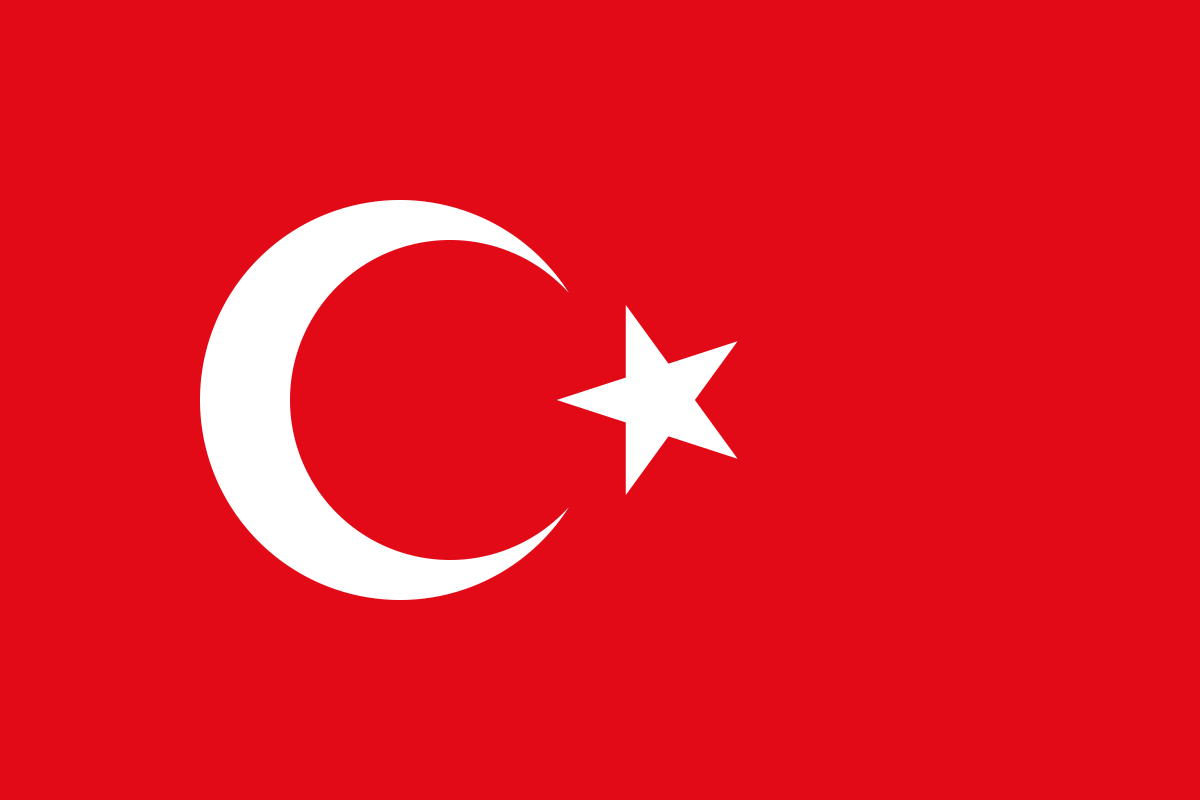
 Türkiye
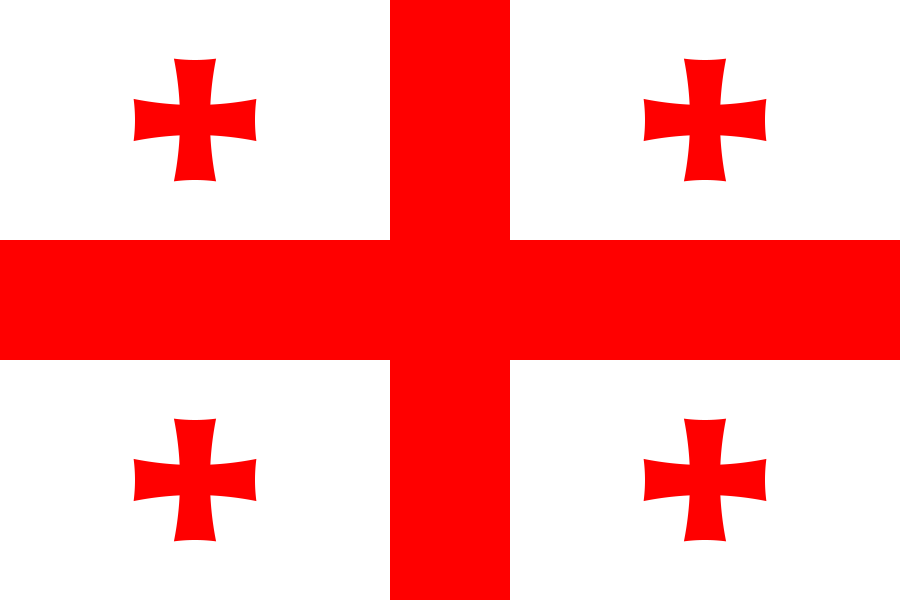 Georgia
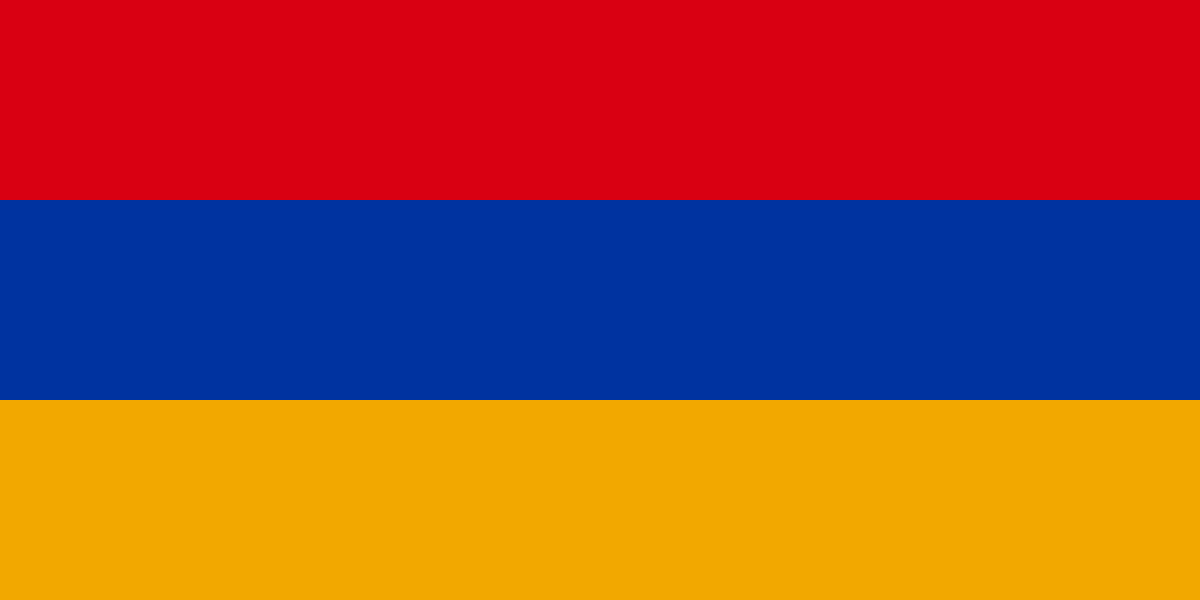 Armenia
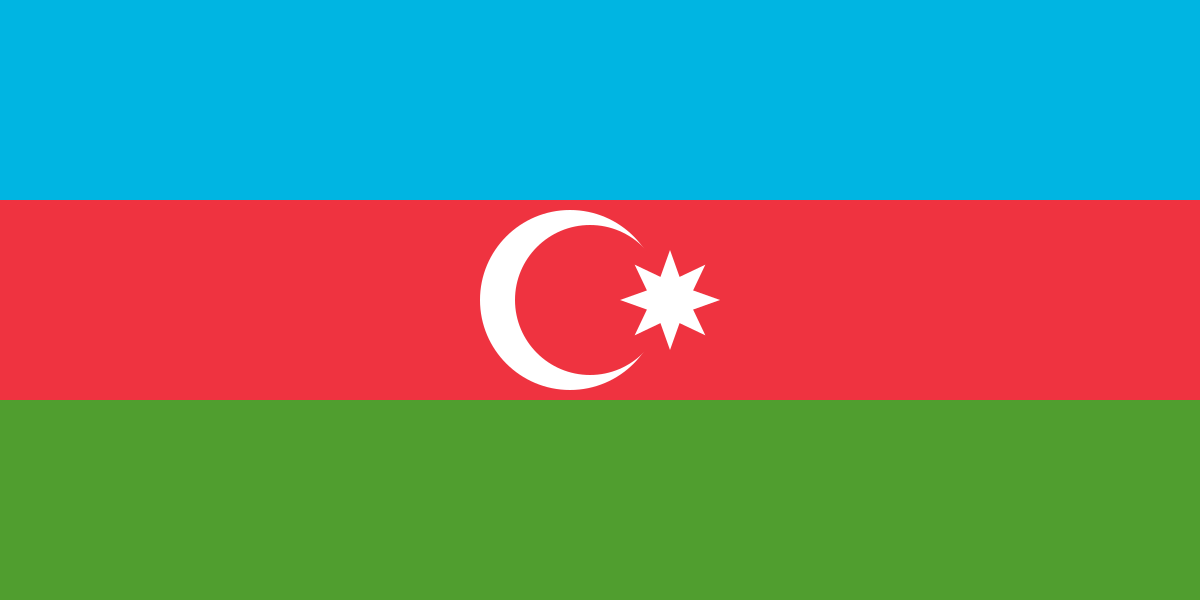 Azerbaijan
 Kazakhstan
 Uzbekistan
 Thailand
 Vietnam
 UAE
 Oman



A first trip to Türkiye usually means Istanbul and Cappadocia, and often Pamukkale, Ephesus or the coast. Here is what helps to know before you go.
When to go
The climate changes a lot by region. For Istanbul and the Aegean coast, spring (April to June) and autumn (September to October) are the best times. July and August suit the Mediterranean beaches. In winter (December to February) there is skiing near Cappadocia.
Istanbul
Istanbul is where East meets West, and most trips start here.
- Hagia Sophia: a masterpiece of Byzantine architecture. Built as a church, later a mosque and a museum, it is a mosque again today.
- Blue Mosque: known for its blue tiles, a fine example of Ottoman architecture.
- Grand Bazaar: one of the oldest and largest covered markets in the world.
- Bosphorus cruise: the best way to see the city's skyline from the water.
Cappadocia
Fairy chimneys, cave homes and a landscape like nowhere else.
- Hot air balloon ride: float over the volcanic valleys at sunrise.
- Underground cities: Derinkuyu and Kaymaklı were dug deep below ground as shelters during invasions.
- Cave dwellings and churches: carved into the rock, they show how people lived here for centuries.
Pamukkale and Ephesus
Pamukkale means "cotton castle", after its white travertine terraces formed by mineral-rich hot springs. Above them is the ancient city of Hierapolis, with a well-preserved theatre and the remains of a bathhouse.
Ephesus is one of the best-preserved ancient cities in the region. Look for the Library of Celsus and the Great Theatre, which once held more than 25,000 people.
The Turquoise Coast
Türkiye's south-west coast mixes beaches, ancient ruins and small towns.
- Kaş: cobbled streets, whitewashed houses and bougainvillea.
- Side: Roman ruins next to sandy beaches, with sunsets over the Mediterranean.
- Ölüdeniz: the blue lagoon near Fethiye, set between green mountains. Boats run from here to Butterfly Valley.
- Patara: a long beach with ancient ruins close by.
- Antalya: beaches and Kaleiçi, the old town.
- Lycian history: rock tombs at Dalyan and Fethiye, and Xanthos, the old Lycian capital, now a UNESCO World Heritage site.
For something more active, try sea kayaking to coves and sea caves, hike part of the Lycian Way, or walk trails in the Taurus Mountains to viewpoints and old villages.
A hamam
A traditional Turkish bath is one of the best ways to recover after days of walking.
What to buy
From the Grand Bazaar to local markets, look for carpets, ceramics, spices and handicrafts. Haggling is expected.
Language
Turkish is the official language, and many people in tourist areas speak English. A few words of Turkish, even just hello and thank you, are always appreciated.
Food
Try kebabs, mezes, Turkish delight and baklava, and drink tea, served in small glasses, and Turkish coffee, often with a piece of lokum. On the coast, a Turkish breakfast of olives, cheese, tomatoes and fresh bread is a good start to the day.


