

 Türkiye
 Georgia
 Armenia
 Azerbaijan
 Kazakhstan
 Thailand
 Vietnam
 UAE
 Oman


Uzbekistan: cities, crafts and the Silk Road
Samarkand, Bukhara and Khiva, the Fergana Valley's silk and pottery, and the crafts, music and festivals that still shape Uzbek life.
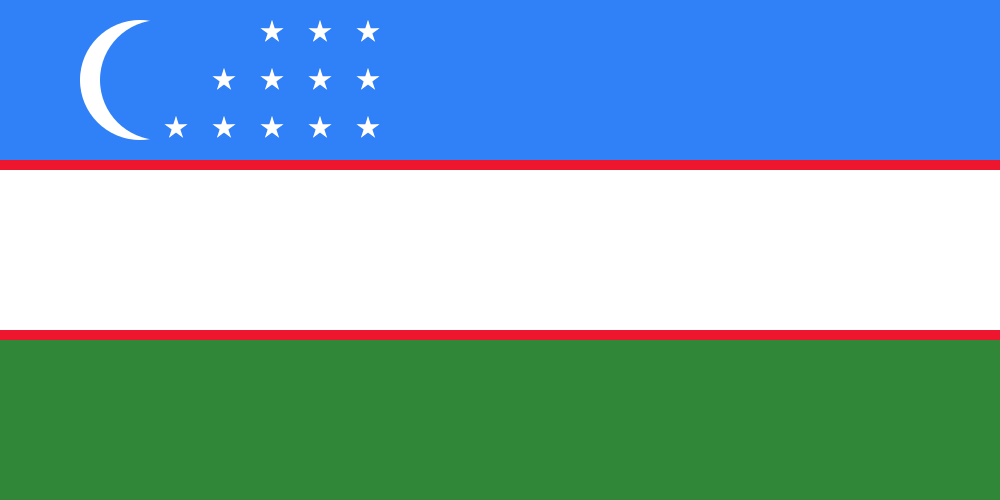 Uzbekistan

Uzbekistan sat at the centre of the Silk Road, and you still feel it in the tiled cities, the bazaars and the crafts. Here is where to go, and what to look for once you are there.
Samarkand
Samarkand is a UNESCO World Heritage city, and the Registan is its centre: three madrasas covered in mosaics, framed by minarets. Then see the Bibi-Khanym Mosque, the Gur-e-Amir Mausoleum and the Shahi-Zinda Necropolis, a long avenue of tiled tombs.
Bukhara
Bukhara has more than 140 historic monuments and feels like an open-air museum. See the Ark Fortress, the Poi Kalyan complex and Lyabi Hauz, a plaza around a pool, surrounded by medieval madrasas. The bazaars here are good for spices, silk carpets and handmade pieces.
Khiva
Khiva's inner city, the Itchan Kala, sits inside well-preserved walls and is a UNESCO World Heritage site. It is full of mosques, minarets and palaces. Climb the Kalta Minor minaret for the view, visit the Kunya-Ark citadel, where Khiva's rulers lived, and then get lost in the lanes.
Tashkent
The capital has wide boulevards, green parks and a mix of Soviet-era and Islamic architecture. Do not miss Chorsu Bazaar, the ornate stations of the Tashkent Metro and the Khast-Imam complex, which holds one of the oldest Qurans in the world.
Nukus
Nukus, in the Karakalpakstan region, is home to the Savitsky Art Museum and one of the world's largest collections of Russian avant-garde art. It is also the gateway to the Aral Sea, where the shrinking water has left abandoned ships in the sand.
Shakhrisabz
Shakhrisabz is the birthplace of Amir Timur (Tamerlane). See the ruins of his Ak-Saray Palace, the Dorut Tilovat complex and the Dorus Saodat mausoleum.
The Fergana Valley
The Fergana Valley is the country's craft heartland. In Margilan, watch silk being made by hand at the Yodgorlik Silk Factory. In Rishtan, master potters make the fine glazed ceramics the town is known for.
Termez
Near the border with Afghanistan, Termez is a city for archaeology. It has ancient Buddhist sites such as the Kara-Tepe monastery and the Fayaz Tepe stupa, alongside Islamic landmarks like the Sultan Saodat complex.
The Kyzylkum Desert
Spend a night in a traditional yurt in the Kyzylkum. Ride a camel across the dunes and look up at a very clear, very dark sky. After the busy cities, the quiet is the reward.
The Chimgan Mountains
Close to Tashkent, the Chimgan Mountains are the easy outdoor escape: hiking in green valleys in summer and skiing in winter.
Crafts to look for
The best-known Uzbek craft is suzani, hand-embroidered textiles with flowers, vines and geometric patterns, used as wall hangings and bedspreads. Ceramics are the other big one: Rishtan and Gijduvan each have their own style, in blues, greens and white with floral and geometric designs.
Look out too for miniature painting. Shaped by Persian tradition, these small, detailed works show historical events, folk tales and everyday life.
Music, dance and dress
Folk music is played on the dutar, a two-stringed lute, the doira, a frame drum, and the rubab, a stringed instrument with a deep tone. Uzbek dance is all graceful hand movements and quick footwork, and every region has its own style.
Traditional clothing is bright and patterned, often in ikat weave. Men wear the chapan, a long robe, and the tyubeteyka, an embroidered skullcap. Women wear brightly coloured garments with silk scarves and jewellery.
Nowruz
Nowruz, the Persian New Year, falls on 21 March and marks the start of spring. Families cook sumalak, a slow-made dish of sprouted wheat, and towns fill with music, dance, games and performances. It is one of the best times to see Uzbek culture at its most open.


