

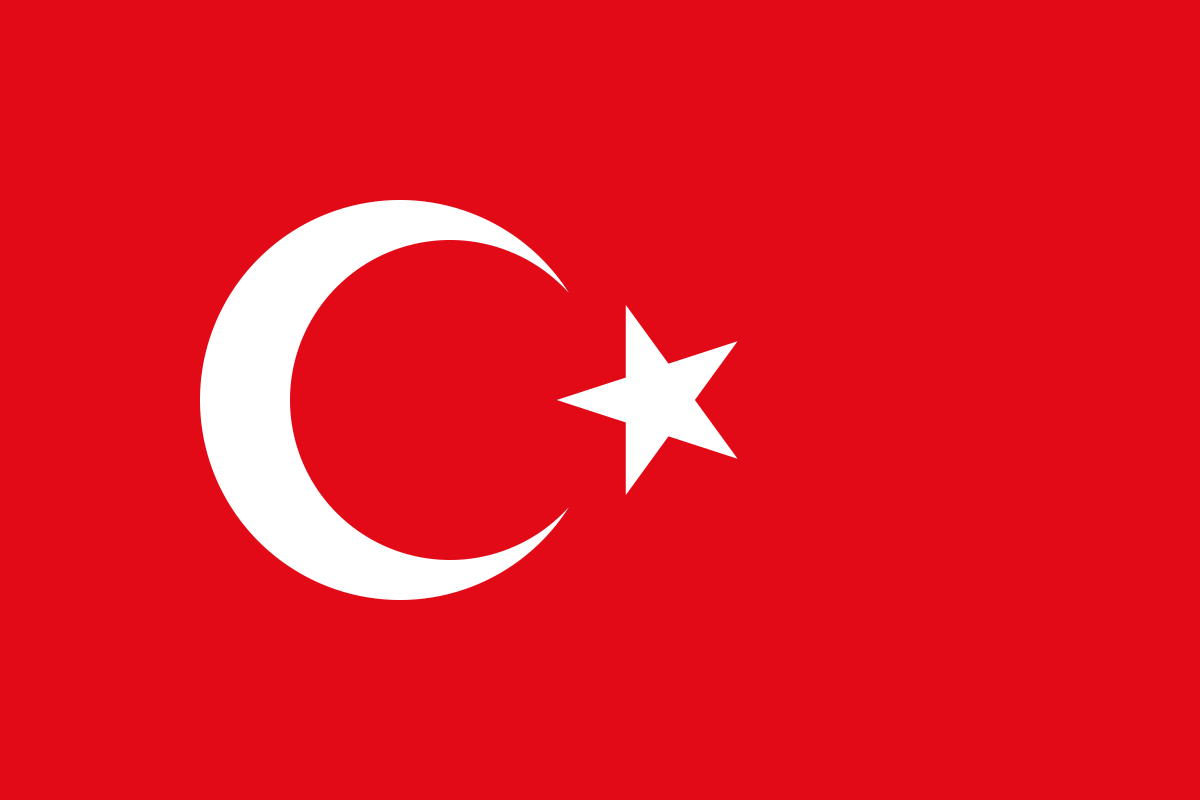
 Türkiye
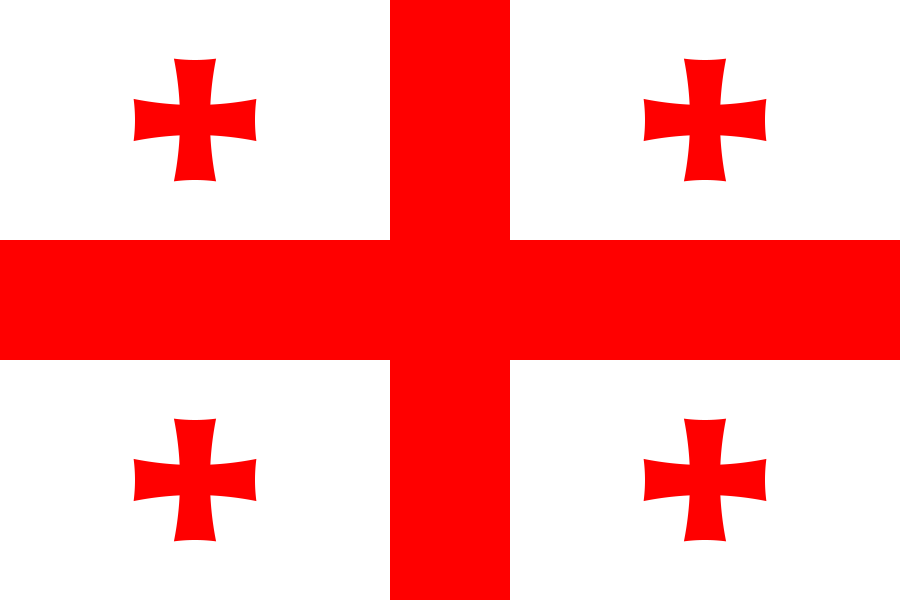 Georgia
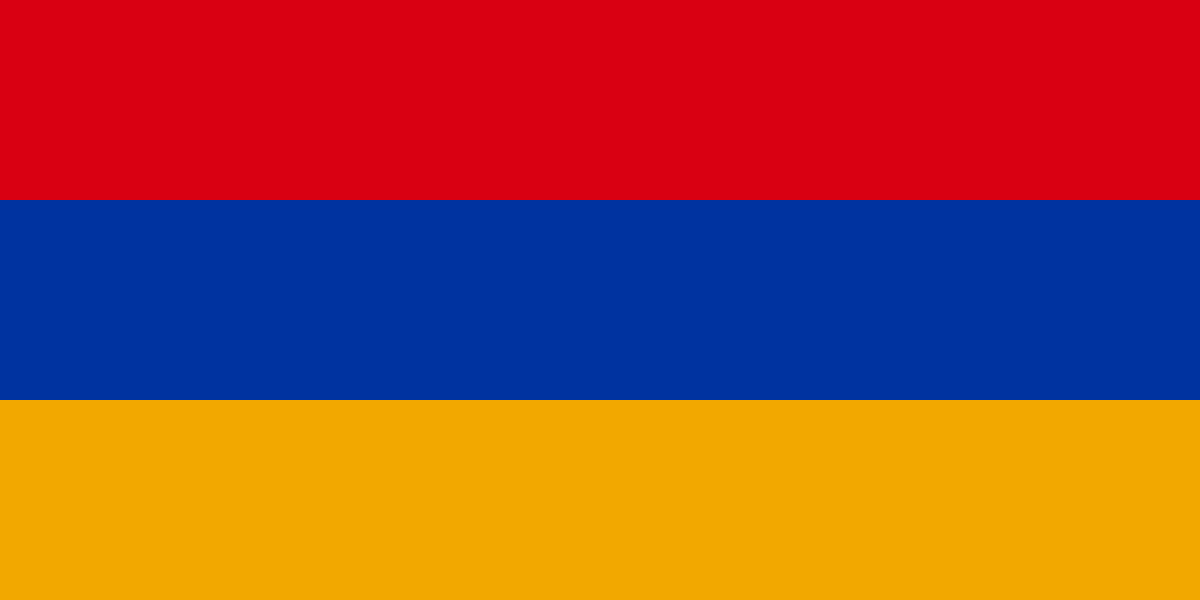 Armenia
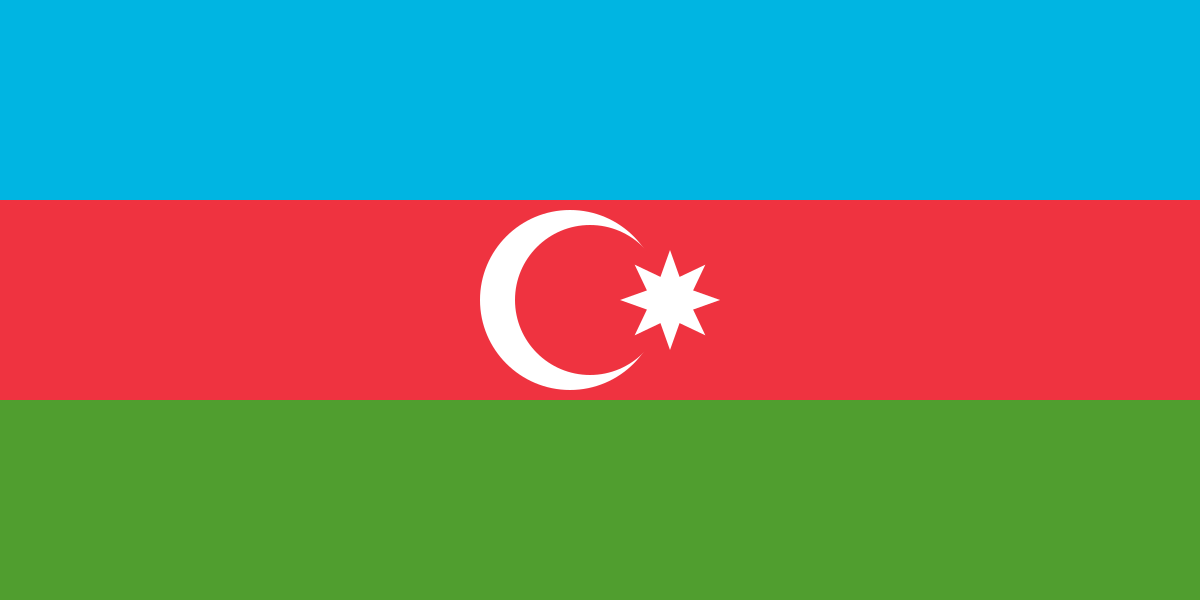 Azerbaijan
 Kazakhstan
 Uzbekistan
 Thailand
 Vietnam
 UAE
 Oman



Some Turkish festivals are religious, some are folk traditions centuries old, and some are modern arts events. All of them bring people out together, and they are a good reason to time a trip.
Istanbul Tulip Festival
Usually from late March to mid-April, Istanbul's parks fill with tulips. The flower came to the Ottoman Empire in the 16th century and quickly became a symbol of beauty and abundance.
Alongside the flower beds there are cultural events, art exhibitions and live music, with street vendors selling Turkish snacks and souvenirs. It is the city's way of welcoming spring.
Istanbul Jazz Festival
An annual festival of jazz, blues and world music held in some of the city's historic venues, including Hagia Irene, the Harbiye Cemil Topuzlu Open-Air Theatre and the Istanbul Archaeological Museums. Beyond the concerts there are workshops, film screenings and exhibitions.
Mevlana Whirling Dervishes Festival, Konya
Every December, Konya marks the Şeb-i Arus, the anniversary of Rumi's death. The centre of it is the Sema, the whirling ceremony of the Mevlevi Order, which represents the soul's journey towards God.
For many who come, it is a pilgrimage rather than a show. Devotees of Rumi's teachings travel from around the world to be there.
Camel wrestling
Camel wrestling, deve güreşi, comes from nomadic Anatolian culture, where camels were prized for their strength and endurance. The events are held in winter, with traditional music, dance, local food and stalls selling snacks and handicrafts.
Mesir Paste Festival, Manisa
Usually in March, Manisa celebrates Mesir paste, a spiced sweet with a story going back more than 500 years. It is said an Ottoman doctor, Merkez Efendi, created it as a healing paste.
The best part is the giving: small wrapped portions of Mesir paste are thrown into the crowd, and people catch them and share them around.
Hot air balloon festivals
Balloon festivals fill the sky with balloons of every shape, from the classic round ones to animals and characters. The moment to wait for is the dawn launch, when the balloons inflate and rise as the sun comes up. In Türkiye, Cappadocia is where most travellers see balloons.
Nevruz
Nevruz is a spring festival shared by many communities. It celebrates nature waking up after winter: trees and flowers in bloom, life returning to the land. It is also a day of togetherness across cultural and ethnic lines.
Ahırkapı Hıdırellez, Istanbul
Around 6 May each year, Istanbul's Ahırkapı neighbourhood celebrates Hıdırellez, the arrival of spring, with music and dance. In Turkish and Balkan folklore, Hızır is linked with nature and renewal.
People make crowns of fresh spring flowers, and it is said that wearing one and making a wish brings good fortune for the year ahead.
Ramadan
Ramadan, Ramazan in Turkish, is the ninth month of the Islamic lunar calendar, so its dates move each year. It is a month of fasting, prayer, reflection and charity, with extra prayers and Quran recitation.
At sunset, families and friends break the fast together at iftar. Mosques often host community iftars open to everyone, and the evenings have a warmth that is worth experiencing as a visitor.


